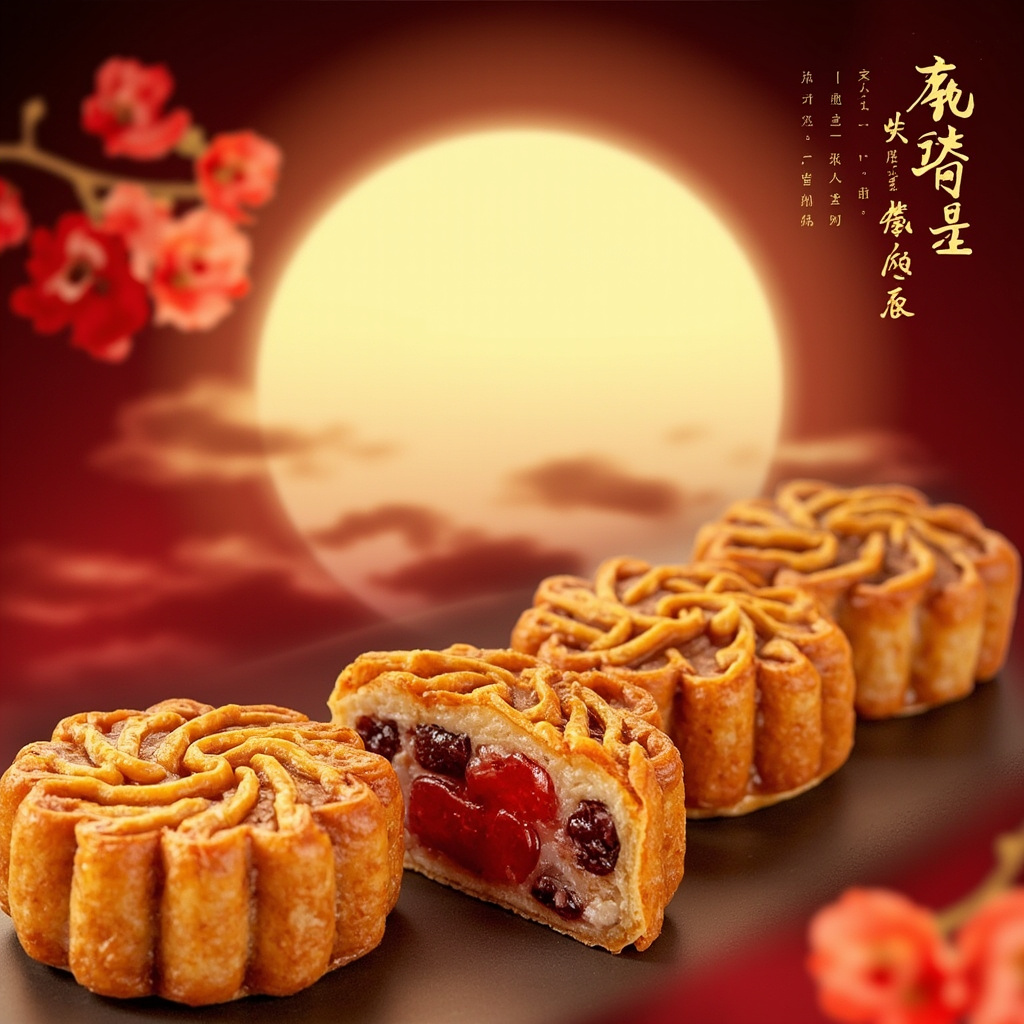
The Mid-Autumn Festival is a traditional harvest celebration that falls on the 15th day of the 8th month of the lunar calendar.
Understanding the Mid-Autumn Festival
The Mid-Autumn Festival is a traditional harvest celebration that falls on the 15th day of the 8th month of the lunar calendar. At its heart, the festival is about gratitude and togetherness, with the full moon symbolizing family reunion and the hope for happiness and prosperity.
This specific date is chosen because it coincides with the harvest moon—the brightest and fullest moon of the year. According to the lunar calendar, this marks a time when the season's hard work in the fields is complete. Families gather to give thanks for the successful harvest, share a meal, and admire the moon's beauty.
The most important concept of the festival is reunion (团圆, tuányuán). The roundness and completeness of the full moon are seen as a powerful symbol of a family coming together. It is a time when relatives travel to be with one another, reinforcing the cultural values of family unity and harmony.
The Legend of Chang'e and Hou Yi
The most enduring mythology behind the Mid-Autumn Festival is the romantic and tragic tale of Chang'e and her husband, Hou Yi. This story explains why families gaze at the full moon, as it is believed to be the home of the Moon Goddess, Chang'e, who flew there after drinking an elixir of immortality.
According to the legend, the earth once had ten suns that scorched the land and caused great suffering. A heroic archer named Hou Yi saved humanity by shooting down nine of the ten suns, leaving just one to provide light and warmth. As a reward for his bravery, the Queen Mother of the West gave him an elixir of immortality.
Hou Yi, however, did not want to live forever without his beloved wife, Chang'e. He chose not to drink the elixir and instead asked her to keep it safe. One of Hou Yi’s apprentices, the greedy and treacherous Peng Meng, learned of the elixir and attempted to steal it while Hou Yi was away. To prevent the elixir from falling into the wrong hands, Chang'e drank it herself.
Immediately, she became weightless and began to float into the sky. She chose to fly to the moon so she could remain as close to her husband on Earth as possible. Heartbroken, Hou Yi would look up at the full moon and lay out offerings of his wife's favorite fruits and cakes, a practice that evolved into a core Mid-Autumn Festival tradition.
Legend says Chang'e is not alone on the moon. Her companion is the Jade Rabbit, who can be seen under a cassia tree, pounding the ingredients for the elixir of life with a mortar and pestle.
Symbolism of the Mooncake
Mooncakes are central to the Mid-Autumn Festival because their round shape mirrors the full moon, symbolizing family reunion, completeness, and harmony. The tradition of sharing these dense pastries reinforces the central theme of unity, making the mooncake a powerful and edible emblem of togetherness.
The most significant of mooncake traditions is tied to its circular form. On the night of the festival, the moon is at its brightest and fullest, representing wholeness and prosperity. The mooncake's shape is a direct homage to this celestial body, serving as a culinary expression of the desire for family members, near and far, to gather and be complete.
This symbolism is brought to life through the culture of sharing. A mooncake is rarely eaten by one person alone; instead, it is carefully cut into wedges and shared among all family members. This act of dividing a single, round pastry reinforces the idea that the family is one unified whole, sharing its blessings and fortunes together.
Beyond its connection to reunion, the mooncake also carries a legendary historical significance. According to a popular tale, mooncakes were instrumental in a rebellion during the 14th century. Rebels are said to have hidden secret messages inside the cakes to coordinate an uprising, adding a layer of ingenuity and resilience to this cherished holiday food.
Varieties of Mooncakes: Traditional to Modern
Mooncakes range from traditional baked varieties like the rich Cantonese style to flaky Suzhou pastries and modern, unbaked snowskin creations. While classic fillings such as lotus paste and salted egg yolk remain popular, a wave of innovative, non-traditional flavors continues to redefine this iconic Mid-Autumn Festival treat.
The world of mooncakes is vast, with regional styles offering distinct textures and flavors. We can categorize them into several key types, each with its own unique characteristics.
Cantonese-Style Mooncake (广式月饼, guǎng shì yuè bǐng) This is the most widely recognized type of mooncake globally. The classic Cantonese mooncake features a tender, chewy, golden-brown baked pastry. The crust is often imprinted with intricate designs indicating the filling and the bakery's name. The most iconic filling is a thick, rich lotus paste (lián róng) surrounding one or more salted egg yolk centers, which symbolize the full moon. Other popular fillings include red bean paste, mixed nuts, and ham.
Suzhou-Style Mooncake (苏式月饼, sū shì yuè bǐng) In contrast to the dense Cantonese version, the Suzhou-style mooncake is prized for its delicate, flaky, and layered pastry, which requires significant skill to prepare. It more closely resembles a puff pastry. Fillings can be either sweet (like sweet bean paste) or savory, with the minced pork variety being a regional favorite.
Snowskin Mooncake (冰皮月饼, bīng pí yuè bǐng) A modern innovation that has become incredibly popular, the snowskin mooncake is a non-baked treat served chilled. Its name comes from its soft, pale, mochi-like wrapper made from glutinous rice flour. This style allows for a wider range of creative fillings that wouldn't withstand baking, such as fruit purees (mango, durian), chocolate truffle, cheese, and even ice cream.
| Style | Pastry Type | Common Fillings | Serving Temperature |
|---|---|---|---|
| Cantonese | Chewy, baked crust | Lotus paste, red bean, salted egg yolk, mixed nuts | Room Temperature |
| Suzhou | Flaky, layered pastry | Minced pork, sweet bean paste, nuts | Room Temperature or Warm |
| Snowskin | Mochi-like, unbaked wrapper | Fruit paste, chocolate, ice cream, custard | Chilled |
Modern Flavor Trends Beyond these major categories, culinary innovation continues to push boundaries. We've observed that consumer interest in novel and fusion flavors grows significantly each year. Modern bakeries and hotels now offer "lava" mooncakes with molten centers, tea-infused varieties (matcha, oolong), and decadent Western-inspired fillings like tiramisu, champagne truffle, and savory black pepper beef. This evolution ensures that the tradition of sharing mooncakes remains vibrant and exciting for new generations.
Lanterns and Moon Gazing
Beyond the delicious food, the Mid-Autumn Festival night is defined by two luminous traditions: gathering with family to gaze upon the full moon and lighting colorful paper lanterns. These activities create a magical atmosphere, symbolizing family unity, brightness, and good fortune for the year ahead.
A central activity of the evening is moon gazing, or 赏月 (shǎng yuè). On this night, the moon is at its roundest and brightest, symbolizing completeness and reunion (团圆, tuányuán). It is a classic family gathering where loved ones set up tables outdoors in gardens or parks. They share mooncakes and seasonal fruits while admiring the moon's beauty, telling stories, and simply enjoying each other's company.
Complementing the moonlight are vibrant paper lanterns. These are not just decorations; they are an integral part of the celebration, especially for children. Families light and hang lanterns of all shapes and sizes—from traditional red globes to intricate designs like fish, rabbits, or dragons. In many public parks and community spaces, large-scale lantern displays create stunning visual spectacles, lighting up the night and guiding the way toward prosperity.
Essential Mid-Autumn Greetings
The most direct and common way to wish someone a happy holiday is by saying Zhongqiu Jie Kuaile (中秋节快乐). For a more poetic and traditional greeting that reflects the festival's deeper themes of reunion and longing, you can use the famous line Dan Yuan Ren Chang Jiu (但愿人长久).
We break down these essential Chinese phrases to help you share warm wishes with friends and family.
The Go-To Greeting: Zhōngqiū Jié Kuàilè
This is the standard "Happy Mid-Autumn Festival" and is appropriate for any situation. It directly translates to "Mid-Autumn Festival Happy."
- Characters: 中秋节快乐
- Pinyin: Zhōngqiū Jié Kuàilè
- Pronunciation Guide: Jong-chyoh Jyeh Kwhy-luh
The Poetic Wish: Dànyuàn Rén Chángjiǔ
For a more heartfelt and literary greeting, especially for loved ones you can't be with, this phrase is perfect. It comes from a famous poem by Su Shi and is part of a longer couplet: "但愿人长久, 千里共婵娟" (Dànyuàn rén chángjiǔ, qiānlǐ gòng chánjuān).
- Characters: 但愿人长久
- Pinyin: Dànyuàn Rén Chángjiǔ
- Meaning: "Wishing that we may all be blessed with longevity." The full line implies that even if separated by a thousand miles, we can share the beauty of the same moon. It’s a beautiful way to express that you are thinking of someone from afar.
- Pronunciation Guide: Dahn-ywen Run Chahng-jyoh
Pronunciation Tips
Mandarin Chinese is a tonal language, meaning the pitch you use can change a word's meaning. While mastering tones takes time, being mindful of them will make your mid autumn greetings much clearer.
- Zhōngqiū (中秋): Starts high and flat (Zhōng), then rises (qiū).
- Jié (节): Starts high and then drops sharply.
- Kuàilè (快乐): Dips down and then rises (Kuài), followed by a neutral, light tone (lè).
Even an approximate attempt at these tones shows effort and is always appreciated
Gift-Giving Etiquette and Taboos
Gift-giving is a cherished tradition that strengthens bonds during the Mid-Autumn Festival. Proper gift etiquette involves presenting auspicious items like mooncakes and fruit in even numbers to symbolize good fortune, while carefully avoiding gifts with negative connotations to show cultural respect and avoid misunderstandings.
When presenting gifts, especially to elders or business associates, it's customary to do so with both hands as a sign of respect. The most popular gifts include:
- Mooncakes: The quintessential festival gift. It's best to give mooncakes in a box containing an even number, such as two, four, or six. Four is particularly common and auspicious, representing completeness and good fortune. Avoid giving an odd number of mooncakes.
- Fruit Baskets: A healthy and welcome gift. Baskets should feature round fruits that symbolize fullness and family unity. The pomelo is an especially significant choice, as its name in Chinese (柚, yòu) sounds similar to words for "to have" (有, yǒu) and "bless" (佑, yòu), implying abundance and protection.
A common mistake we see from those new to the festival is giving the wrong kind of fruit. There are certain taboos to be aware of. The most important one to avoid is giving pears. The Chinese word for pear (梨, lí) is a homophone for the word meaning "to separate" (离, lí), making it an inappropriate gift for a holiday centered on family reunion. Similarly, avoid giving clocks, sharp objects, or anything in sets of four if it's not a pre-packaged box of mooncakes, as the number four can sound like "death" in Chinese.
Celebrating in the Modern Era
In the modern era, the Mid-Autumn Festival blends ancient traditions with contemporary conveniences, as digital celebrations and travel have become just as important as family reunions. Technology allows loved ones to connect from afar, while the public holiday status encourages new ways of spending time together.
While family gatherings remain central, the way people connect has evolved. A key part of this digital celebration is sending greetings through messaging apps. On platforms like WeChat, it's common to share festive stickers, moon-themed images, and well wishes with friends and relatives who may be in another city or country. Another modern twist on a classic tradition is the sending of digital red envelopes (红包, hóngbāo). Instead of giving cash in person, people can instantly send money electronically as a token of good fortune.
Furthermore, because the Mid-Autumn Festival is a public holiday in many parts of Asia, it has become a popular time for travel. Many families use the long weekend to take short trips, either returning to their hometowns for a traditional reunion or exploring new destinations together. This has turned the festival into a peak season for tourism, adding a modern, mobile dimension to the age-old celebration of togetherness.
Q: When is the Mid-Autumn Festival celebrated?
A: ### When is the Mid-Autumn Festival celebrated? The Mid-Autumn Festival is celebrated on the 15th day of the 8th month of the Chinese lunisolar calendar, a date that typically falls in September or early October on the Gregorian calendar. This specific day is chosen because it coincides with the harvest moon—the full, bright moon closest to the autumn equinox.
The festival's timing is deeply rooted in agricultural traditions, marking the end of the autumn harvest. Because the date is based on the lunar calendar, it varies annually on the Gregorian calendar. It is a public holiday in many East and Southeast Asian countries, often lasting for one or more days to allow for family gatherings.
Here are the dates for the upcoming Mid-Autumn Festivals:
- 2024: Tuesday, September 17
- 2025: Sunday, October 6
- 2026: Friday, September 25
Q: Why do people eat mooncakes during the festival?
A: ### Why do people eat mooncakes during the festival? Mooncakes are central to the Mid-Autumn Festival because their round shape symbolizes completeness and family reunion, mirroring the full moon on this night. Sharing these rich pastries with loved ones is a cherished tradition that expresses love, togetherness, and wishes for a prosperous future.
The symbolism is deeply rooted in the festival's core themes:
- Symbol of Reunion: The roundness of the mooncake represents the full moon, which in Chinese culture is a symbol of family unity. The term for "reunion" (团圆, tuányuán) contains the character for "round" (圆, yuán), reinforcing this connection. Sharing and eating round mooncakes under the full moon signifies the wholeness of the family.
- Emblem of the Full Moon: Traditional mooncakes often contain a salted egg yolk in the center, which represents the bright, full moon itself. This adds another layer of meaning to the act of eating them during the moon-gazing festivities.
- Historical Legend: A popular folktale attributes the mooncake's origin to a revolutionary plot during the 14th century. It's said that rebels concealed secret messages inside the cakes to coordinate an uprising against the ruling Mongols on the night of the Mid-Autumn Festival, leading to the establishment of the Ming Dynasty.
Today, giving and receiving mooncakes is a way to show respect and wish others a long, happy life. While traditional flavors like lotus seed paste and red bean are still popular, modern varieties now include everything from ice cream to durian.
Q: What is the most common greeting for the Mid-Autumn Festival?
A: ### What is the most common greeting for the Mid-Autumn Festival?
The most common greeting is "中秋快乐" (Zhōngqiū kuàilè), which directly translates to "Happy Mid-Autumn Festival." This simple and widely used phrase is perfect for wishing friends, family, and colleagues well during the holiday, much like saying "Merry Christmas" or "Happy New Year" for other celebrations.
While "中秋快乐" is the go-to greeting, many other wishes focus on the festival's core themes of family reunion and the full moon. Here are a few popular options:
| Greeting (Characters) | Pinyin | Meaning & Usage |
|---|---|---|
| 中秋快乐 | Zhōngqiū kuàilè | Happy Mid-Autumn Festival. The most common and versatile greeting. |
| 阖家团圆 | Hé jiā tuán yuán | May your whole family be reunited. A heartfelt wish emphasizing family togetherness. |
| 月圆人圆 | Yuè yuán rén yuán | The moon is full, and people are together. A poetic wish linking the full moon to family unity. |
Because the Mid-Autumn Festival is a time for family, greetings like "阖家团圆" (Hé jiā tuán yuán) are especially meaningful. They express a deeper wish for the recipient to be with their loved ones, reflecting the holiday's central cultural importance.
Q: Are there any taboos during the Mid-Autumn Festival?
A: Yes, several traditional taboos are observed during the Mid-Autumn Festival to ensure good fortune and family harmony. These customs often revolve around showing respect for the moon, maintaining unity, and avoiding unlucky words or gifts that could bring misfortune, such as pears or clocks, due to negative-sounding homophones.
To ensure a smooth and auspicious celebration, keep these common taboos in mind:
- Don't point at the moon. Pointing a finger directly at the moon is considered disrespectful to the moon goddess, Chang'e, and is believed to bring bad luck. If you want to indicate the moon, gesture with an open hand instead.
- Avoid unlucky gifts. Certain gifts are avoided because their names are homophones for negative words in Chinese. These include pears (梨, lí), which sounds like "separation" (离, lí), and clocks (送钟, sòng zhōng), which sounds like "attending a funeral" (送终, sòngzhōng).
- Share mooncakes equally. Mooncakes are a symbol of family reunion. They should be cut into equal wedges—one for each family member present—to signify togetherness and harmony. Not sharing the mooncake or cutting it unevenly is thought to disrupt this unity.
- Stay out of the shadows. The festival celebrates the brightest moon of the year. It's considered unlucky to have your view of the moon obstructed by trees or to celebrate in a dark, gloomy location. Find a spot with a clear view to soak in the moonlight.
- Keep your forehead uncovered. Traditionally, it's believed that the forehead is where a person's "light of luck" shines. Keeping it uncovered allows you to receive blessings and good fortune from the full moon.
Explore Chinese Culture
Discover practical guides, cultural insights, and tips for celebrating Chinese festivals with confidence and respect.
Start Learning →Recent Posts
Check out our latest articles
Engaging in simple Chinese festival small talk is a powerful way to show respect and build a genuine cultural connection.
In Chinese business culture, holidays are not just breaks from work; they are critical opportunities to strengthen professional connections.
Chinese birthday traditions are deeply rooted in the concept of longevity and respect for elders,
The Chinese Ghost Festival, also known as the Hungry Ghost Festival, is a traditional holiday rooted in ancestor worship
The Dragon Boat Festival, known in Mandarin as the Duanwu Festival (端午节), is a major traditional holiday celebrated in China and across East Asia
The Lantern Festival, known as Yuanxiao Jie (元宵节), is a vibrant Chinese festival celebrated on the 15th day of the first lunar month