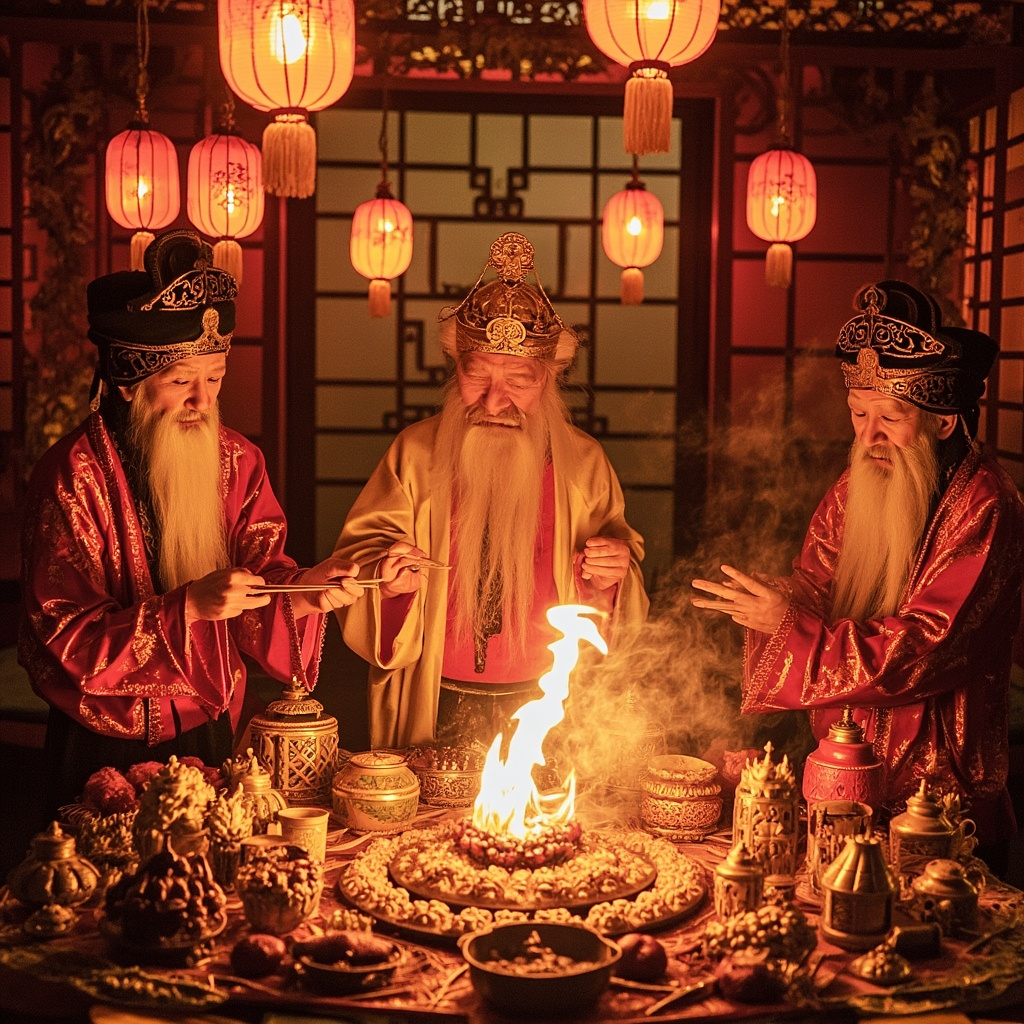
The Chinese Ghost Festival, also known as the Hungry Ghost Festival, is a traditional holiday rooted in ancestor worship
What is the Chinese Ghost Festival?
The Chinese Ghost Festival, also known as the Hungry Ghost Festival, is a traditional holiday rooted in ancestor worship, where it is believed the gates of the underworld open to allow spirits to visit the living. This period offers a time for families to pay respects to their deceased relatives and for communities to appease wandering, potentially malevolent ghosts.
This festival spans the entire 7th Lunar Month of the Chinese calendar, which is why the period is often called "Ghost Month." While spirits are thought to roam for the whole month, the most important observances and ceremonies are concentrated on the 15th day. On this day, the connection between the realm of the living and the realm of the dead is considered to be at its strongest.
The festival's origins are intertwined with both Taoist and Buddhist beliefs. In Taoism, the occasion is known as Zhongyuan Jie (中元節), a time when the Earthly Official is said to pardon the sins of the deceased. In Buddhism, it is celebrated as the Ullambana Festival, which focuses on the practice of filial piety, encouraging descendants to make offerings to relieve the suffering of their ancestors in the afterlife.
When is the Hungry Ghost Month?
The Chinese Ghost Festival occurs during the entire seventh month of the traditional lunar calendar. While observances span the full month, the festival's peak—known as the Hungry Ghost Festival or Zhongyuan Festival—takes place on the 15th night, when the moon is at its fullest and spiritual activity is believed to be highest.
Because the festival follows the lunar calendar, we observe that its Gregorian Ghost Month dates shift every year, often causing confusion for those accustomed to fixed-date holidays. The entire seventh lunar month is known as Ghost Month (鬼月, guǐ yuè). Tradition holds that the Gates of the Underworld swing open on the first day of this month, allowing spirits and ancestors to roam the mortal world for about 30 days.
The festivities and rituals build toward their climax on the 15th day of the seventh lunar month. This date marks the official festival peak, a time when families hold their most significant ceremonies, burn elaborate paper offerings, and present grand food sacrifices to appease ancestors and wandering ghosts alike. The gates are then said to close on the last day of the month, concluding the festival period until the following year.
Origins and Legends: Mulian Rescues His Mother
The Chinese Ghost Festival's origins are deeply rooted in the Buddhist legend of Mulian, a devout monk who journeys into the underworld to save his mother from suffering. This powerful story of filial piety establishes the core tradition of making offerings to deceased ancestors and wandering spirits to relieve their torment.
The most influential tale behind the festival is that of Mulian (known in Sanskrit as Maudgalyayana), one of the Buddha's most powerful disciples. After attaining enlightenment, he used his divine sight to search for his deceased parents. While he found his father had been reborn in a heavenly realm, he was horrified to discover his mother had been cast into the realm of hungry ghosts as punishment for her greed and disrespect toward monks during her lifetime.
In this lower realm, she was emaciated and tormented by insatiable hunger. Mulian, filled with grief, attempted to bring her a bowl of rice. However, just as she was about to eat, the rice burst into flames, a symbol of her terrible karma. Desperate, Mulian appealed to the Buddha for help. The Buddha explained that his mother's sins were too great for one person's power to overcome alone.
The Buddha instructed Mulian that the only way to save her was to harness the collective spiritual merit of the entire monastic community. He told Mulian to make generous offerings of food and robes to monks on the fifteenth day of the seventh lunar month, the day that marks the end of their summer retreat. Mulian followed this guidance, and the combined merit of the offerings was so great that it successfully liberated his mother from her suffering. This act of filial piety and compassion became the foundation for the Ghost Festival, inspiring generations to make offerings to ease the suffering of their own ancestors and other lost souls.
Difference Between Qingming and Ghost Festival
The Chinese Ghost Festival focuses on appeasing all spirits, especially wandering and hungry ghosts, while the Qingming Festival is a time for families to honor their own ancestors by visiting and cleaning their graves. One festival centers on universal appeasement, while the other is an act of familial piety. It's a common point of confusion, as both festivals involve honoring the dead, but their focus, mood, and traditions are fundamentally different.
The Qingming Festival, also known as Tomb Sweeping Day, occurs in early spring. This is a time for remembrance and respect, where families travel to the gravesites of their direct ancestors. They clean the tombs, make offerings of food and joss paper, and pay their respects. The atmosphere is solemn and familial, centered on honoring one's lineage.
Conversely, the Chinese Ghost Festival takes place during the seventh lunar month. Its scope is much broader. It is believed that during this month, the gates of the underworld open, releasing all spirits—not just one's ancestors. The key focus is on the wandering spirits (gū hún yě guǐ), those who have no living descendants to care for them. The mood is one of caution and charity, with offerings made to placate these unknown ghosts and prevent them from causing misfortune.
To clarify these distinctions, we can break them down side-by-side.
| Aspect | Qingming Festival (Tomb Sweeping Day) | Chinese Ghost Festival |
|---|---|---|
| Focus | Honoring one's own ancestors. | Appeasing all spirits, especially wandering spirits. |
| Timing | Early April (based on the solar calendar). | The 7th lunar month, peaking on the 15th day. |
| Mood | Solemn, respectful, familial remembrance. | Cautious, charitable, placatory. |
| Key Activities | Visiting and cleaning family tombs, making offerings at the gravesite. | Making offerings at home or on the roadside, avoiding certain activities. |
| Recipients | Direct family lineage. | One's ancestors plus all other ghosts. |
In essence, you can think of Qingming as a private, family affair at a specific, known location (the tomb), while the Ghost Festival is a more public observance to care for all spirits, known and unknown, who are temporarily visiting our world.
Traditional Rituals: Food and Incense
The core rituals of the Chinese Ghost Festival involve setting up temporary altars with food offerings, known as Pudu (普渡), and the ceremonial burning of incense and joss paper. These practices are performed to show compassion and provide for wandering spirits, ensuring they are appeased and do not bring misfortune to the living.
Throughout the Ghost Month, you will see temporary altars erected outside homes, businesses, and along roadsides. These tables are laden with a variety of food offerings intended to feed the "hungry ghosts." A typical spread includes items like steamed rice, fruits, roasted meats, cakes, and tea or wine. This act of universal salvation, or Pudu, is a gesture of kindness to ancestors and, more importantly, to orphaned spirits who have no living descendants to care for them. By providing a grand feast, communities hope to satisfy the ghosts' hunger and prevent them from causing trouble.
Alongside food, incense burning is a vital component of the festival. The fragrant smoke is believed to attract spirits to the offerings and serve as a form of communication with the afterlife. After the ghosts have "consumed" the spiritual essence of the meal, families burn joss paper. This "spirit money" is sent to the afterlife to provide ghosts with currency for their expenses. It is common to also burn paper replicas of material goods—such as cars, houses, and electronics—to ensure the spirits enjoy a comfortable existence. These items are typically burned in a designated metal bin or container to manage the flames safely.
Getai: Entertainment for Spirits
Getai are live stage performances, a vibrant part of the Chinese Ghost Festival, featuring a mix of music, dance, and comedy. These elaborate shows serve as crucial spirit entertainment, intended to appease and amuse the ghosts and ancestors believed to be visiting the mortal realm during the seventh lunar month.
Traditionally held on temporary stages in open fields or community spaces, Getai performances are loud, colorful, and designed to attract a large audience—both living and spectral. One of the most important customs associated with these events is the practice of leaving the empty front row of seats unoccupied. This is a sign of respect, as these prime seats are reserved for the ghostly guests of honor. It is considered a serious taboo for a living person to sit in these chairs, as it would be seen as disrespecting the spirits and could invite misfortune.
While the core purpose of Getai remains the same, the nature of the performances has evolved significantly. In the past, these stages primarily featured traditional Chinese opera and dialect songs. Today, we see a dynamic blend of the old and the new. Performers in glittering, modern outfits might sing contemporary Mandarin pop songs, engage in stand-up comedy, or even perform English-language hits, all on stages equipped with dazzling LED screens and sophisticated sound systems. This evolution ensures that Getai remains a lively and relevant tradition for entertaining both spirits and the living community.
Major Taboos: Nighttime Activities
During the Chinese Ghost Festival, night is considered the time when spiritual or Yin energy is at its peak, allowing ghosts and spirits to roam the mortal world freely. To maintain harmony and avoid attracting unwanted spiritual attention, we observe several taboos related to activities after dark.
The most fundamental rule is to avoid staying out late. As darkness falls, the boundary between the living and the spirit world thins. Lingering outside, especially in quiet or remote areas, increases the likelihood of encountering a wandering ghost, which may drain one's life force or bring misfortune. This principle underlies several specific prohibitions:
-
Avoid Swimming: The swimming taboo is one of the most serious warnings. It is believed that the spirits of those who drowned, known as water ghosts (水鬼, shuǐ guǐ), are particularly active during this month. These resentful spirits are said to lurk in bodies of water, waiting to pull unsuspecting swimmers under to take their place and gain a chance at reincarnation. All bodies of water, including pools, lakes, and the sea, are best avoided after dark.
-
Avoid Whistling: Whistling at night is strongly discouraged. The sound is thought to attract spirits, as it mimics frequencies they use to call to one another. By whistling, you are essentially sending an open invitation for any nearby ghosts to follow you home, which is considered extremely unlucky and disruptive.
Below is a simple decision guide for nighttime activities during the festival.
By respecting these traditions, we avoid disturbing the spirits and ensure our own safety and peace during this sensitive time. Returning home early and maintaining a quiet, respectful demeanor at night is the most prudent course of action.
Taboos Regarding Clothing and Appearance
During the Chinese Ghost Festival, certain superstitions guide personal appearance to avoid attracting spirits or inviting misfortune. These traditions focus on clothing colors and daily chores like laundry, reflecting a belief that spirits can interact with the physical world and are drawn to specific signals or opportunities during this unique month.
We observe several key taboos related to what you wear and how you handle your clothing:
- Avoid Wearing Red: While red is a color of luck and celebration in many Chinese traditions, it is best avoided during Ghost Month. The belief is that this vibrant color easily attracts the attention of ghosts, potentially making the person wearing red a target for spirits.
- Avoid Wearing All Black: Black is traditionally associated with mourning and funerals. According to these superstitions, wearing all black may attract negative energy or cause spirits to mistake you for a fellow mourner, making you more vulnerable to their influence.
- Don't Leave Clothes Hanging Outside at Night: One of the most common practices is to bring in any hanging clothes before sunset. It is believed that wandering spirits might "try on" the clothing, attaching themselves to the items and bringing bad luck or their spiritual presence into your home.
Home and Life Decisions to Postpone
During the Chinese Ghost Festival, tradition advises against making major life changes, as these significant events are thought to attract negative energy or unwanted attention from wandering spirits. Postponing major decisions is a way to avoid inviting misfortune or bad luck into new ventures, homes, or unions during this inauspicious time.
We observe that four key areas are almost universally avoided:
- Moving Houses or Starting Renovations: The moving house taboo is one of the most well-known. It is believed that the noise and disturbance from renovating or moving can attract hungry ghosts to a property. Furthermore, moving into a new home during this month is seen as an open invitation for spirits to enter and settle in with you, leading to future disturbances.
- Getting Married: A wedding is a joyous and auspicious occasion meant to be blessed with positive energy. Because the Ghost Month is associated with yin (cold) energy and spirits, choosing wedding dates during this period is considered extremely unlucky. The belief is that such a union might be cursed with misfortune or attract spirits who could bring harm to the couple.
- Starting a New Business: Launching a business or signing major contracts represents a new beginning that requires good fortune. Kicking off a new enterprise during the Ghost Month is thought to doom it from the start. To ensure a prosperous and smooth journey, entrepreneurs typically wait until the month is over to hold grand openings or finalize foundational business deals.
- Making Large Purchases: While less strict, many people also avoid buying significant items like a car or property. The concern is that the item may have unseen spiritual attachments or that the transaction itself will be tainted with bad luck, leading to future problems like accidents or financial loss.
Etiquette: How to Show Respect
Cultural etiquette during the Chinese Ghost Festival centers on showing reverence for spirits returning to the mortal realm. This involves being highly mindful of the roadside offerings left out for them, understanding that these items are not public litter but sacred provisions intended for wandering ghosts and ancestors. A common mistake for those unfamiliar with these traditions is to be careless when walking past these displays, which is considered deeply disrespectful.
To ensure you are respecting customs, we recommend following a few key guidelines for cultural etiquette:
-
Do not step on or kick roadside offerings. Be watchful of where you walk, especially at night. You will often see food, incense, and the ashes of burnt joss paper on sidewalks and along roads. Stepping on or kicking these items is equivalent to disrupting a spirit's meal and is a major taboo. Treat these areas with the same caution you would a memorial.
-
Do not pick up coins found on the street. If you see loose change on the ground, particularly near an offering site, leave it be. These coins are often part of the offering, intended as "hell money" for spirits to use in the afterlife. Taking this money is considered extremely bad luck, as it is seen as stealing from the dead.
-
Apologize if you accidentally disturb an offering. Accidents happen. If you inadvertently step on or kick an offering, it is customary to offer a simple, quiet apology. A soft "sorry" or "excuse me" (对不起, duìbuqǐ in Mandarin) directed toward the offering is a sufficient gesture of respect and shows you meant no harm to the spirits.
Understanding the Cultural Significance
The Chinese Ghost Festival, while often associated with spooky taboos and wandering spirits, is fundamentally a profound expression of remembrance, filial piety, and communal compassion. In this summary, we see that the festival is a time when the living honor their ancestors and extend care to forgotten souls who have no one to remember them.
At its core, the festival is a powerful demonstration of filial piety. Families come together to prepare feasts, burn joss paper, and perform rituals not out of fear, but out of a deep-seated respect and love for their ancestors. It is a way to ensure their departed relatives are comfortable and provided for in the afterlife, reinforcing the cultural importance of family bonds that transcend even death.
Beyond personal ancestry, the festival embodies a wider sense of compassion. The offerings made in public spaces are for the "hungry ghosts"—spirits who may have died tragically or have no living descendants to care for them. By providing for these lonely souls, communities express a collective empathy, ensuring that no spirit is truly forgotten.
Ultimately, understanding the Ghost Festival is a vital part of cultural immersion. When we look past the superstitions, we find a tradition rich with meaning, centered on memory, respect, and a profound kindness for both the known and the unknown. It is a celebration of connection in its purest form.
Q: Is it safe to travel during the Chinese Ghost Festival?
A: Yes, traveling during the Chinese Ghost Festival is perfectly safe from a modern, practical standpoint, though it's wise to be mindful of cultural traditions and taboos. Traditional beliefs suggest that spirits roam the earth during this time, so certain precautions are advised to avoid attracting unwanted spiritual attention or showing disrespect.
While daily life and transportation operate as usual, many people, particularly in more traditional communities, avoid certain activities. To travel respectfully and align with local customs during the Ghost Month, consider the following advice:
- Avoid Late-Night Travel: It is traditionally believed that yin (cold) energy is strongest after dark, making it the peak time for spirits to be active. Many people avoid being out alone late at night to prevent potential encounters.
- Steer Clear of Water Activities: Water is considered a portal to the underworld, and folklore warns of vengeful spirits who drowned and may try to pull the living in. Swimming or even wading in lakes, rivers, or the sea, especially after sunset, is a major taboo.
- Be Mindful of Roadside Offerings: You will see offerings of food, incense, and joss paper on sidewalks and roadsides. Be careful not to step on or kick these items, as doing so is highly disrespectful to the spirits they are intended for.
- Choose Accommodations Carefully: Some traditional believers might avoid staying in the first or last room of a hotel hallway, as these are thought to be more susceptible to spiritual visitors.
Q: What happens if I accidentally step on an offering?
A: ### What happens if I accidentally step on an offering? Accidentally stepping on a roadside offering during the Chinese Ghost Festival is considered a significant sign of disrespect toward the spirits. It is believed that this can anger the ghosts who were meant to receive the food or joss paper, potentially causing them to follow you or bring you minor misfortune.
These offerings are placed on sidewalks and along roadsides specifically for wandering, hungry ghosts who have no one to care for them. To them, this is a much-needed meal or source of wealth in the afterlife. Kicking or stepping on it, even by accident, is akin to knocking over a person's dinner plate.
If you do step on an offering, the widely accepted remedy is to apologize immediately and sincerely. You should say "sorry" or "excuse me" (对不起, duìbùqǐ) out loud, facing the offering. This gesture shows respect and acknowledges your mistake to any nearby spirits, clarifying that your actions were not malicious. While many modern city-dwellers understand that accidents happen, offering a quick, genuine apology is the proper and respectful etiquette.
Q: Can I move into a new house during Ghost Month?
A: Moving into a new house during the Chinese Ghost Month is a significant taboo and is strongly advised against in traditional culture. This major life event is believed to attract wandering spirits who, seeking a place to settle, might follow you into your new home and bring misfortune or unrest.
According to folklore, the commotion and energy generated by moving can draw the attention of hungry ghosts. A new, unoccupied house is seen as particularly vulnerable and open to these spirits. If they enter and attach themselves to the property, it is believed they can cause problems for the new inhabitants, ranging from financial loss and illness to persistent bad luck. For this reason, most people will deliberately schedule major undertakings like moving, starting a new business, or getting married for a time outside of the seventh lunar month.
If moving during this period is absolutely unavoidable, some people may take extra precautions. This can include:
- Consulting a Feng Shui master or a temple priest to select the most auspicious date and time possible within the month.
- Performing cleansing rituals, such as burning sage or incense, before moving in.
- Leaving the lights on for the first few nights to fill the house with "yang" (positive) energy.
While many younger generations may be less strict about this taboo, it is still widely observed out of respect for tradition and as a "better safe than sorry" measure.
Q: Why is the front row at Getai performances empty?
A: ### Why is the front row at Getai performances empty? The front row at Getai (歌台) performances is intentionally left empty as a sign of respect for the spirits. During the Chinese Ghost Festival, these live stage shows are held primarily to entertain the wandering ghosts, who are considered the true guests of honor, and these prime seats are reserved for them.
This tradition is rooted in the belief that the spirits should be given the best view of the entertainment provided for them. Occupying these seats is a major taboo, as it is seen as a direct offense to the ghostly attendees. It is believed that anyone who sits in the front row risks angering the spirits, which could lead to misfortune or illness.
Therefore, while the living audience enjoys the show from the second row and beyond, the empty front row serves as a visible and important reminder of who the performance is truly for. It is a cultural courtesy extended to the spiritual world during the Hungry Ghost Month.
Explore Chinese Culture
Discover practical guides, cultural insights, and tips for celebrating Chinese festivals with confidence and respect.
Start Learning →Recent Posts
Check out our latest articles
Engaging in simple Chinese festival small talk is a powerful way to show respect and build a genuine cultural connection.
In Chinese business culture, holidays are not just breaks from work; they are critical opportunities to strengthen professional connections.
Chinese birthday traditions are deeply rooted in the concept of longevity and respect for elders,
The Dragon Boat Festival, known in Mandarin as the Duanwu Festival (端午节), is a major traditional holiday celebrated in China and across East Asia
The Mid-Autumn Festival is a traditional harvest celebration that falls on the 15th day of the 8th month of the lunar calendar.
The Lantern Festival, known as Yuanxiao Jie (元宵节), is a vibrant Chinese festival celebrated on the 15th day of the first lunar month