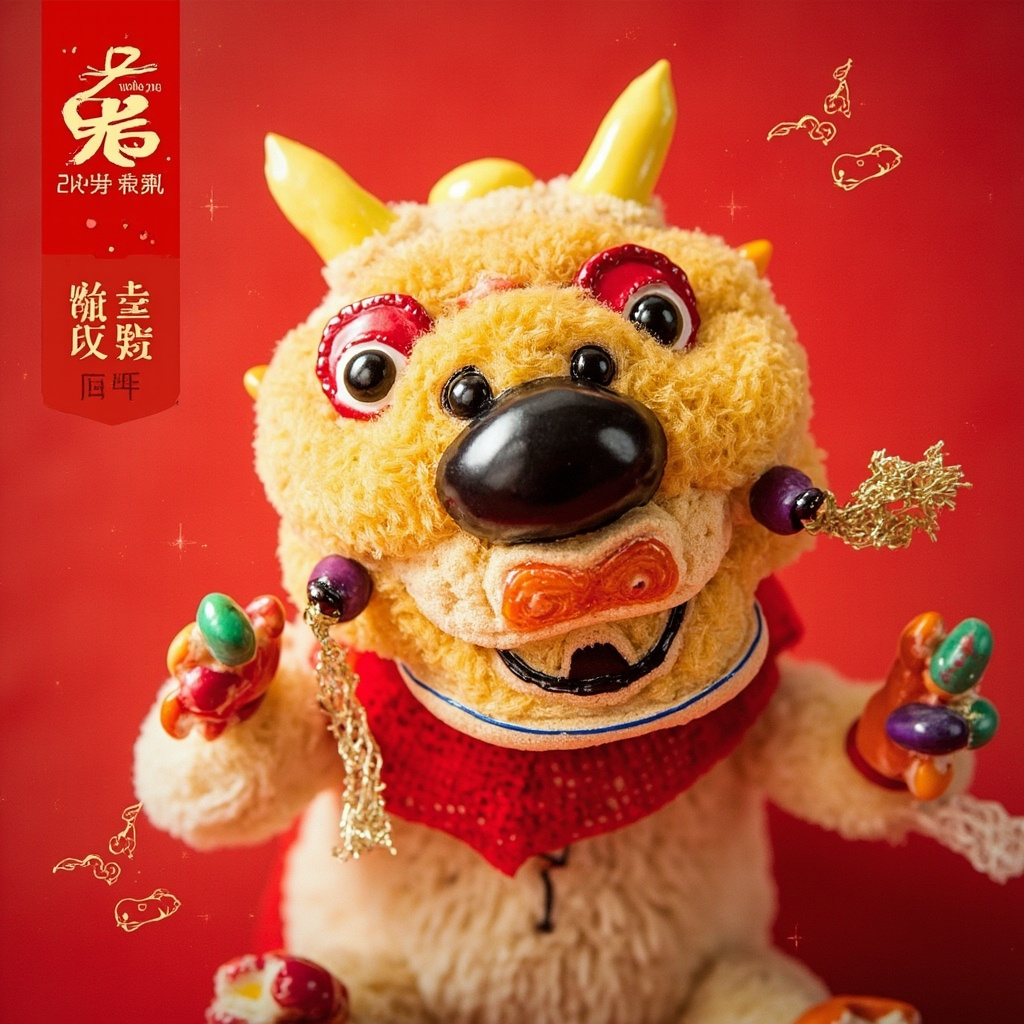
Chinese New Year taboos are a set of cultural superstitions and practices designed to ward off bad luck and preserve good fortune for the upcoming year
Understanding Chinese New Year Taboos
Chinese New Year taboos are a set of cultural superstitions and practices designed to ward off bad luck and preserve good fortune for the upcoming year. These customs are rooted in ancient folklore and the belief that one's actions during the festival's start will dictate their fate for the next twelve months.
The origin of many of these practices can be traced to the legend of a fearsome beast called 'Nian' (年), which means 'year.' The monster would emerge on the eve of the new year to terrorize villages. People discovered it was afraid of the color red, loud noises, and fire, leading to traditions like firecrackers and red decorations. Today, these chinese new year superstitions serve a similar purpose: to scare away misfortune and protect the family's accumulated luck from escaping.
These spring festival customs are observed most strictly during the initial days of the celebration, typically lasting for the first 15 days until the Lantern Festival. The goal is to start the year on the most auspicious note possible, avoiding any actions that could introduce bad luck or 'wash away' the good fortune that is meant to arrive with the new year. The underlying principle is to maximize positive energy while minimizing negative influences.
| Goal | Auspicious "Do" | Taboo "Don't" |
|---|---|---|
| Preserve Good Luck | Wear new, bright clothing | Wash hair or clothes on New Year's Day |
| Attract Prosperity | Give and receive red envelopes | Lend or borrow money |
| Ensure Harmony | Say lucky phrases and greetings | Argue or use negative words |
| Promote Longevity | Eat long, uncut noodles | Use scissors or sharp objects |
Cleaning Customs: Sweeping Away Luck vs. Dust
The timing of your cleaning activities around the Spring Festival is critical: a thorough cleaning is required before New Year's Eve to sweep away the past year's bad luck, while cleaning is forbidden on New Year's Day to avoid sweeping away newly arrived good fortune and wealth. A common mistake is to continue a "spring cleaning" marathon into the New Year itself, which is believed to reverse the positive effects and discard prosperity.
We find this duality is central to understanding the flow of luck during the festival. Here, we explain the logic behind this important cleaning taboo.
Before the New Year: Sweeping Out Misfortune In the days leading up to the New Year, families perform a deep and thorough cleaning of their homes. This practice is known as "sweeping away the dust" (掃塵, sǎo chén). The dust is symbolic of all the old, negative things from the past year—misfortune, problems, and bad feelings. By cleaning the house from top to bottom, you are ritually cleansing your space and making room for good luck to enter. Every corner must be scrubbed, and all clutter must be cleared away. This act prepares the home to receive the blessings and prosperity of the year to come.
During the New Year: Protecting Incoming Wealth Once the clock strikes midnight on New Year's Eve, the rules change dramatically.
- No Sweeping or Dusting: The most significant cleaning taboo is the prohibition on sweeping the floor during Chinese New Year, especially on the first day. It is believed that good fortune and wealth arrive with the New Year, settling in your home like a fine layer of gold dust. Sweeping the floor is akin to sweeping this newfound prosperity right out the door.
- Trash Restrictions: Similarly, you should not take out the garbage on New Year's Day. Throwing things away is symbolic of casting out your wealth and good fortune. All trash should be kept inside, preferably in a corner, until at least the second or third day of the festival.
- Personal Hygiene: The belief extends to personal grooming. It is a widely held superstition that you should not wash your hair on Chinese New Year's Day. The Mandarin character for hair (髮, fà) has the same pronunciation as the character for "to prosper" or "wealth" (發, fā). Therefore, washing your hair is seen as washing your fortune away for the upcoming year. It's best to do this on New Year's Eve instead.
These restrictions are typically observed most strictly on the first day of the New Year, with many families resuming normal cleaning activities on the second or third day.
Personal Appearance and Wardrobe Choices
Your wardrobe and grooming choices carry significant weight during the Spring Festival, as they are believed to influence the luck you attract for the entire year. Wearing red is the most important rule for inviting good fortune, while avoiding black and white clothing and getting a haircut are key taboos.
Clothing: Colors and Newness What you wear is a powerful statement of your intentions for the year ahead. Here are the core principles we observe:
- Embrace Red: The practice of wearing red is essential. Red is the color of luck, joy, and prosperity. It is also believed to ward off evil spirits and bad fortune. From jackets and sweaters to accessories, incorporating red into your outfit is the easiest way to embrace the festive spirit.
- Avoid Black and White: Black and white are traditionally associated with mourning and funerals in Chinese culture. Wearing these colors, especially as a monochromatic outfit, is considered highly inappropriate and unlucky during a celebration of new life and new beginnings.
- Wear New Clothes: Donning new clothes, particularly on New Year's Day, symbolizes a fresh start. It signifies leaving behind the old, including any bad luck or hardships from the previous year, and welcoming a new, prosperous chapter.
Grooming Taboos: Preserving Your Luck Certain grooming habits are avoided to prevent "cutting off" your good fortune.
The most well-known grooming rule is the haircut Chinese New Year taboo. The Mandarin word for hair (发, fà) sounds the same as the word for prosperity (发财, fācái). Therefore, cutting your hair during the first few days of the festival is seen as severing your connection to wealth and good fortune for the coming year. Most people get a haircut in the days leading up to the New Year to look fresh without tempting fate.
Similarly, another superstition is the buying shoes taboo. The word for shoes (鞋, xié) is a homophone for the word for evil or bad luck (邪, xié) in Mandarin. Buying new shoes during the New Year period is thought to be unlucky, as it sounds like you are inviting misfortune into your life.
Language and Behavior: Words to Avoid
During the Spring Festival, it's believed that your words and actions set the precedent for the coming year, making it crucial to maintain a positive and harmonious atmosphere. This means carefully avoiding all inauspicious words related to misfortune—like death, sickness, or poverty—and refraining from crying or arguing to prevent a year of sorrow.
The power of words is taken very seriously. Any topic associated with negativity is a major taboo, as speaking of it is thought to make it a reality. This includes:
- Death and Sickness: Words like "death" (死, sǐ), "sick" (病, bìng), "pain" (痛, tòng), and "ghost" (鬼, guǐ) are strictly forbidden. Even words that sound similar to negative concepts are avoided, which is why the number four (四, sì), a homophone for "death," is considered unlucky.
- Poverty and Loss: References to poverty, such as "poor" (穷, qióng), or losing things are off-limits. For this reason, some traditionalists avoid buying books (书, shū) during the festival because the word sounds like "to lose" (输, shū).
- Breaking Things: Mentioning breaking anything is avoided, as it signifies a break in prosperity or family unity. If a dish is accidentally broken, the pieces are often wrapped in red paper while someone says an auspicious phrase like suì suì píng ān (岁岁平安), meaning "peace year after year."
Behavior is just as important as language. Crying on New Year's Day is a significant taboo, as it is thought to bring a year filled with sadness and grief. Similarly, arguments and scolding are avoided at all costs to ensure a peaceful and conflict-free year. This is why parents are often especially lenient with their children during this time.
Instead of negative language, the festival is a time for lucky phrases and auspicious greetings. When visiting family and friends, especially elders, it is customary to offer well-wishes for the year ahead. Common greetings include:
- Gōng xǐ fā cái (恭喜发财) – Wishing you wealth and prosperity.
- Shēn tǐ jiàn kāng (身体健康) – Wishing you good health.
- Xīn nián kuài lè (新年快乐) – Happy New Year.
Dining Etiquette and Broken Dishes
Dining during Chinese New Year involves specific rules to secure prosperity, from never flipping a fish to leaving leftovers to symbolize surplus. Even accidents like breaking a dish have a prescribed remedy to ward off bad luck and restore harmony for the year ahead.
One of the most well-known dining taboos involves eating fish. A whole fish is a staple of the New Year's Eve dinner, symbolizing completeness and abundance. However, it's crucial that you do not flip the fish over to get to the meat on the other side. This action is believed to symbolize a boat capsizing, which is a terrible omen, especially for families who rely on fishing or travel. Instead, the proper way is to eat the top half, then carefully remove the backbone to access the bottom half.
Accidents happen, but breaking a bowl or plate during the festival is considered a particularly bad sign, suggesting a loss of wealth or a crack in family unity. To counteract this, if something breaks, you must immediately say the auspicious phrase "suì suì píng ān" (岁岁平安), which means "peace and safety year after year." The magic is in the wordplay: the word for "broken" (碎, suì) has the same pronunciation as the word for "year" (岁, suì), turning a negative event into a positive wish.
Finally, unlike in many Western cultures where cleaning your plate is polite, leaving some food behind is encouraged. This practice, especially with the fish, relates to the saying "nián nián yǒu yú" (年年有余), or "may there be a surplus every year." The leftovers represent this surplus, ensuring your family will have more than enough to thrive in the coming year.
Gift Giving: Taboos and Red Envelopes
Gifting during Chinese New Year is a gesture of respect, but certain items are taboo due to negative symbolism or phonetic puns. Understanding these cultural nuances, particularly the rules around red envelope etiquette and unlucky numbers like four, is crucial for conveying blessings and avoiding unintentional offense.
We've noticed that many users are particularly curious about which specific gifts to avoid, as these traditions are deeply rooted in cultural wordplay and symbolism. While the act of giving is appreciated, steering clear of these items shows thoughtfulness and cultural awareness.
Forbidden Gifts: What Not to Give
The meaning behind a gift is often more important than the gift itself. Many chinese new year gift taboos are based on homophones—words that sound the same but have different meanings.
- Clocks or Watches: The phrase for "giving a clock" (送钟, sòng zhōng) sounds identical to the phrase for "attending a funeral" (送终, sòngzhōng). This is perhaps the most serious taboo, as it implies wishing death upon the recipient.
- Umbrellas: The word for umbrella (伞, sǎn) sounds like the word for "to break up" or "scatter" (散, sàn). Giving one suggests you want the relationship to fall apart.
- Pears: The word for pear (梨, lí) is a homophone for "to leave" or "separate" (离, lí). It's considered especially bad luck to share a pear with someone, as it implies a future separation.
- Sharp Objects: Items like knives, scissors, or letter openers symbolize the cutting or severing of a relationship. They are seen as hostile and unlucky gifts.
- Mirrors: In many Asian cultures, mirrors are believed to attract ghosts and are associated with bad luck.
The Significance of Numbers
In Chinese culture, numbers carry significant weight. The number four (四, sì) is the most avoided number because it sounds nearly identical to the word for "death" (死, sǐ). You should never give gifts in sets of four or give a cash amount that includes the number four (e.g., 40 or 400). Conversely, numbers like eight (八, bā), which sounds like "prosperity" (发, fā), and six (六, liù), which sounds like "smooth" (溜, liū), are considered very lucky.
Red Envelope (红包, Hóngbāo) Etiquette
The red envelope is the most common gift during Chinese New Year, symbolizing luck and prosperity for the year ahead. Proper red envelope etiquette is essential.
- Who Gives to Whom: Typically, married adults and elders give red envelopes to unmarried children and younger, unmarried relatives. It's also common for employers to give them to employees as a New Year bonus.
- The Bills: Always use crisp, new banknotes. Using old, wrinkled, or dirty bills is considered poor form. Avoid putting coins in the envelope.
- The Amount: The amount of money should be an even number, as odd numbers are associated with funerals. Avoid any amount with the number four. Amounts ending in eight (like 88 or 168) are considered particularly auspicious.
- The Exchange: When giving or receiving a red envelope, always use both hands to show respect. The recipient should express thanks and should not open the envelope in front of the giver.
Financial Superstitions: Lending and Borrowing
To protect one's financial luck for the coming year, it is crucial to settle all debts before the Spring Festival begins. The act of lending money during Chinese New Year, especially on the first day, is a significant taboo believed to set a precedent for a year of monetary loss and struggle.
A core tradition is the complete debt repayment before New Year's Eve. This practice is rooted in the belief that one should start the new year with a clean slate, free from the burdens of the past. Carrying debt into the new year is thought to attract continued financial struggles, so settling accounts is seen as essential for a fresh, prosperous start.
Furthermore, the prohibition against lending money chinese new year is one of the most widely observed financial taboos. It is believed that if money flows out of your hands on New Year's Day, it will continue to do so all year. Similarly, one must avoid demanding repayment from others during the festival. Doing so is considered aggressive and inauspicious, thought to bring bad luck and arguments to both parties for the entire year. These customs emphasize starting the year with a positive financial balance and a spirit of harmony, not conflict.
Bedroom and Sleeping Customs
Bedroom and sleeping customs during Chinese New Year center on starting the year with vigor and good fortune. Key traditions include staying up late on New Year's Eve to welcome the new year, avoiding naps on the first day, and letting people wake up naturally without being called by name.
One of the most cherished traditions is staying up as late as possible on New Year's Eve. This practice, known as Shou Sui (守岁), translates to "guarding the year." It is believed that by doing so, children help ensure their parents' longevity. It's a time for families to bond, play games, and eagerly await the stroke of midnight.
Another important waking up taboo involves how you rouse someone on New Year's Day. It is considered bad luck to wake a person by calling out their name. The superstition holds that doing so will cause that person to be hurried and bossed around for the entire year. Instead, it is best to let them wake up on their own.
Finally, avoid napping on New Year's Day. Taking a daytime nap on the first day of the festival is frowned upon as it is seen as a sign of laziness. The belief is that this behavior will set a precedent for the rest of the year, leading to a year of sluggishness and a lack of motivation.
Navigating Customs in Modern Times
In a modern Chinese New Year, the spirit behind these traditions often matters more than strict adherence to every rule. The core purpose is to foster positivity, show cultural respect, and gather with loved ones to wish for good fortune in the year ahead. While some taboos may seem impractical today, understanding their origins is a key part of appreciating the celebration.
Many families adapt these customs to fit contemporary life. For instance, while deep cleaning is traditionally done before the New Year, the necessity of daily tidying isn't ignored. The focus shifts from the literal act to the intention: starting the year with a fresh, positive environment. The goal is not to create stress but to embrace a mindset of renewal and optimism.
Ultimately, the most important tradition is togetherness and positive intention. Whether you follow every superstition to the letter or simply use the holiday to connect with family and wish them well, you are participating in the true spirit of the celebration. Respecting the customs, even in adapted forms, is a beautiful way to honor heritage and usher in a year filled with happiness and good fortune.
Q: Why can't I wash my hair on Chinese New Year?
A: Washing your hair on the first day of the Lunar New Year is a significant taboo because it's believed to wash away your good fortune for the year ahead. This superstition stems from a linguistic pun, as the Mandarin character for hair (发, fà) is the same as in the word for prosperity (发财, fā cái).
This symbolic connection means that the act of washing your hair is equated with "washing away your wealth." To avoid this, people ensure their hair is washed and styled before New Year's Day arrives. The taboo is most strictly observed on the first day of the festival, as this day is thought to set the tone for the entire year.
While many modern families are less strict, this tradition is still widely respected. The common practice is to do all personal grooming, including haircuts and washing, on New Year's Eve to enter the new year feeling fresh without tempting fate.
Q: What should I do if I accidentally break a bowl during Chinese New Year?
A: Accidentally breaking a bowl or plate during Chinese New Year is considered a bad omen, symbolizing a loss of wealth or a fracture in family harmony for the coming year. To immediately counteract this, you should say an auspicious phrase like "suì suì píng ān" (歲歲平安) and carefully wrap the pieces.
Breaking items is a significant taboo during the Spring Festival because it signifies incompleteness and bad fortune. The sound of shattering (碎, suì) is homophonous with the word for "year" (歲, suì) in Mandarin. If you do break something, follow these steps to neutralize the bad luck:
-
Say a Lucky Phrase: Immediately say "suì suì píng ān" (歲歲平安), which means "peace and safety year after year." This clever play on words transforms the negative event into a positive wish for well-being. Another common phrase is "luò dì kāi huā" (落地開花), meaning "to blossom as it lands on the floor," likening the broken pieces to flower petals.
-
Wrap the Pieces: Carefully collect all the broken fragments and wrap them in red paper or a red cloth. Red is a powerful, auspicious color in Chinese culture that is believed to ward off evil and contain negativity.
-
Wait to Dispose: Do not throw the wrapped pieces away immediately. Doing so is akin to throwing out your good fortune. Instead, place the package in a corner of the room and wait until after the fifth day of the New Year to dispose of it. This ensures that you don't "sweep out" any good luck along with the bad.
Q: Is it bad luck to buy shoes during the Spring Festival?
A: Yes, buying shoes during the Chinese New Year period is traditionally considered bad luck. This superstition stems from a linguistic pun, as the Mandarin word for shoes (鞋, xié) sounds identical to the word for evil or bad luck (邪, xié), implying you are "welcoming evil" into your life.
This taboo is rooted in the importance of avoiding negative-sounding words during the auspicious start of the new year. Because of the identical pronunciation, purchasing footwear is seen as an unlucky act that could bring misfortune for the entire year ahead.
The superstition is even stronger when it comes to giving shoes as a gift. In addition to the "evil" connotation, gifting shoes can also imply that you want the recipient to walk away from you. For these reasons, it's best to buy any needed shoes before the festival begins or wait until after it concludes.
Q: When is it safe to sweep the floor again?
A: Traditionally, you can safely resume sweeping your floors on the third day of the Lunar New Year. The act of sweeping during the first two days is a significant taboo, as it is believed to sweep away the good fortune and wealth that has just arrived with the new year.
The third day, known as "Chìkǒu" (赤口日) or "Red Mouth Day," is considered a day prone to arguments, making it unlucky to go visiting. This makes it an ideal time to stay home and do a thorough cleaning, as the risk of sweeping away good luck has passed.
Some families wait even longer, until the fifth day. On this day, a major cleaning is performed to "sweep out poverty" and welcome the God of Wealth, officially marking the end of the most restrictive taboos and preparing for the return to business. If you must clean before then, a common workaround is to sweep dirt to a corner and dispose of it after the taboo period ends.
Explore Chinese Culture
Discover practical guides, cultural insights, and tips for celebrating Chinese festivals with confidence and respect.
Start Learning →Recent Posts
Check out our latest articles
Engaging in simple Chinese festival small talk is a powerful way to show respect and build a genuine cultural connection.
In Chinese business culture, holidays are not just breaks from work; they are critical opportunities to strengthen professional connections.
Chinese birthday traditions are deeply rooted in the concept of longevity and respect for elders,
The Chinese Ghost Festival, also known as the Hungry Ghost Festival, is a traditional holiday rooted in ancestor worship
The Dragon Boat Festival, known in Mandarin as the Duanwu Festival (端午节), is a major traditional holiday celebrated in China and across East Asia
The Mid-Autumn Festival is a traditional harvest celebration that falls on the 15th day of the 8th month of the lunar calendar.